
The cultural tapestry woven by casinos in society
The Historical Role of Casinos
Casinos have played a significant role in societies across the globe for centuries. Initially, gambling was often associated with informal gatherings or festivals, where games of chance provided entertainment. As civilizations evolved, so did the establishment of formal gaming houses, reflecting the growing interest in risk and reward. Historical records show that as far back as ancient Rome, games of chance were used to foster social connections and entertain citizens. Today, many people also explore online casinos for a similar thrill.
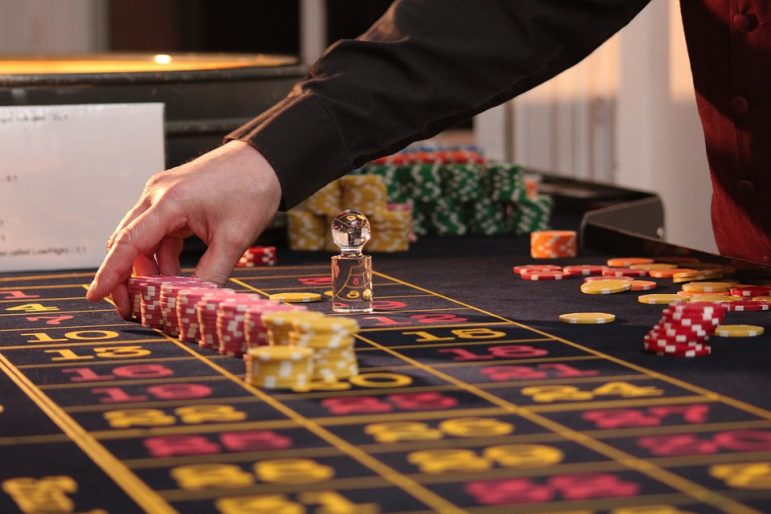
Over time, the architecture and ambiance of casinos became grander, turning them into luxurious destinations. This evolution mirrors societal attitudes toward gambling, illustrating how the pastime transitioned from clandestine activities to celebrated forms of entertainment. In various cultures, casinos became symbols of opulence and social interaction, drawing visitors not just for gambling but for the overall experience.
Casinos as Social Hubs
In modern society, casinos are much more than places to gamble; they serve as vibrant social hubs where diverse cultures intersect. They attract individuals from various backgrounds, creating a melting pot of experiences and interactions. Patrons often form connections over shared excitement, whether at the gaming tables or in various dining and entertainment venues within the casino.
This communal aspect is crucial, as it allows casinos to foster a sense of belonging among visitors. Special events, tournaments, and live performances further enhance this social atmosphere, making casinos integral to community bonding. By providing spaces for socialization, casinos contribute to the cultural landscape of their regions, enriching local traditions and experiences.
The Economic Impact of Casinos
The economic influence of casinos on local and national economies cannot be understated. They generate significant revenue through gaming taxes, which fund public services and infrastructure projects. Furthermore, casinos create numerous job opportunities, ranging from hospitality roles to skilled positions in gaming management, thereby stimulating local employment. Engaging in gambling at these venues can enhance the experience of those who visit.
Additionally, casinos often promote tourism, attracting visitors who might otherwise not explore the region. This influx can lead to increased spending in surrounding businesses, such as hotels, restaurants, and retail shops. As a result, casinos contribute to a thriving local economy, reinforcing their importance in the broader societal context.
Cultural Reflections in Casino Design
Casino architecture and design often reflect the culture and history of their location. Many casinos feature themes and designs that pay homage to local heritage, turning them into landmarks in their own right. This thoughtful integration of cultural elements not only enhances the visual appeal but also fosters a deeper connection with the community.
Moreover, casinos frequently host events that celebrate local traditions, arts, and performances. This commitment to cultural reflection encourages visitors to engage with the local community and learn about its heritage. By serving as venues for cultural expression, casinos play a vital role in preserving and promoting local customs and arts.

The Role of Online Casinos in Modern Society
The rise of online casinos represents a significant shift in how gambling is experienced today. With the convenience of the internet, players can engage in various games from the comfort of their homes, broadening access to gambling activities. This transformation has brought about discussions on responsible gambling and the regulation of online platforms to ensure player safety.
Online casinos have also started to embrace cultural elements through themed games that resonate with various societies. By incorporating cultural references and narratives into gaming experiences, these platforms continue to weave the rich tapestry of gambling culture, ensuring that the social and economic impacts of traditional casinos are mirrored in the digital realm.